What to Check After a Forced Entry: Your Lock Security Checklist
When someone has broken into your home or business, the immediate shock can make it hard to think clearly about what to do next. Once the police have been called and the door is temporarily secured, the real work begins: restoring your property's security so it does not happen again. A forced entry often reveals weak points in your locking system that were invisible before. This checklist walks you through the key things to inspect and address, starting with the most obvious damage and moving toward the less visible vulnerabilities.
Inspect the Lock Cylinder and Keyway
The lock cylinder is the part where you insert the key. After a break-in, this component is often damaged. Crowbars, screwdrivers, or drills may have been used to twist or break the cylinder. Even if the lock still turns, internal damage can make it unreliable. Remove the cylinder and look for visible cracks, bent metal, or signs that someone pried at it. If the cylinder is a standard pin tumbler design and shows any deformation, replace it. A damaged cylinder can fail at the worst moment, leaving you locked out or unable to secure the door.
Check the Deadbolt and Strike Plate
The deadbolt is the metal bar that slides from the door into the frame. After a forced entry, the deadbolt itself may be bent or sheared. The strike plate - the metal piece on the door frame that receives the bolt - might be cracked, pulled loose, or have stripped screws. A common weak point is the strike plate being held in by short screws that only grab the trim, not the structural framing behind it. If the deadbolt does not align properly with the strike plate, the door will not latch securely. Test by closing the door and turning the key: the bolt should slide fully into the plate without resistance. If it binds or the plate moves, replace both the deadbolt and the strike plate with heavy-duty hardware, and use longer screws that reach into the door frame's stud.
Examine the Door Frame for Spreading or Splitting
Forced entry often involves prying the door away from the frame. This can spread the frame, cracking the wood or metal and widening the gap between the door and the jamb. Even if the lock itself appears intact, a distorted frame means the door no longer fits snugly. Inspect the frame for splintered wood, bent metal, or gaps wider than a few millimetres. A frame that has spread may need reinforcement or replacement before a new lock can work properly. Ignoring frame damage will leave the new lock vulnerable to the same attack.
Look for Signs of Tampering with Hinges
Hinges are sometimes overlooked during a break-in inspection. An intruder may have tried to remove hinge pins from outside, or the door may have been forced inward, putting stress on the hinge screws. Check each hinge for bent leaves, loose screws, or pins that are partially pulled out. If the door sags or does not swing freely, the hinges may have shifted. Tighten all screws; if the screw holes are stripped, fill them with wooden matchsticks or toothpicks coated in wood glue, or use longer screws that bite into the frame. For exterior doors, consider hinges with non-removable pins to prevent future tampering.
Assess the Condition of the Door Itself
A solid door is the foundation of good security. After a forced entry, the door may have cracks, holes, or delaminated sections, especially if it is a hollow-core or composite design. A hollow-core door offers little resistance to a strong kick; a break-in is a clear sign that the door material is inadequate. If the door is damaged beyond surface repairs, replacing it with a solid wood or metal door is a worthwhile investment. A new lock on a weak door is still a weak point. The door should also fit the frame without large gaps, as gaps can be exploited with tools.
Reevaluate Your Key Control
After a break-in where keys were stolen or where the intruder had access to keys, the situation is different from a simple lock failure. Stolen keys mean the lock is compromised even if it looks untouched. In this case, rekeying or replacing the lock is necessary. Rekeying changes the internal pins so old keys no longer work, while replacement installs a completely new locking mechanism. If you are a landlord or property manager, this is also the time to consider master key systems or keyless entry to reduce the risk of key duplication. For homeowners, having a spare key stored in a secure location rather than under the mat is a simple but often overlooked improvement.
Consider Upgrading the Lock Grade
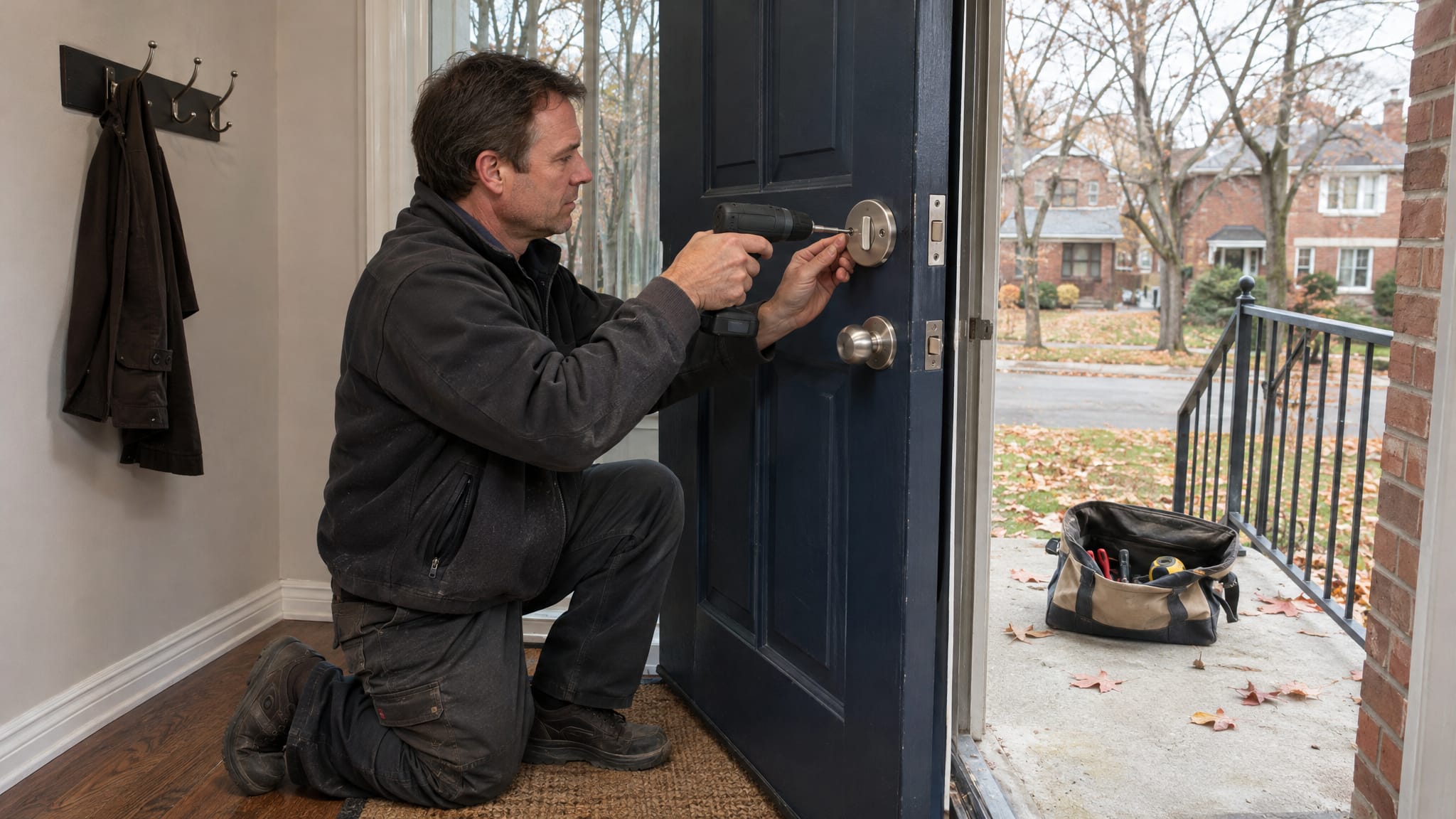
Not all locks offer the same level of resistance. Residential locks are often graded by the American National Standards Institute, with grade 1 being the highest for security and durability. If your broken lock was a basic grade 2 or 3, a forced entry is a strong argument for upgrading to grade 1 hardware. Look for deadbolts with hardened steel inserts and strike plates with security screws. A smart lock with a built-in alarm or tamper detection can also add a layer of deterrence, though it should not replace a mechanical deadbolt as the primary lock. The goal is to make the door harder to force open than the neighbour's, encouraging an intruder to move on.
Document Everything for Insurance and Records
Before you start repairs, take clear photos of all damage: the lock cylinder, the strike plate, the door frame, the hinges, and the door itself. This documentation helps with insurance claims and provides a record of what was compromised. Keep receipts for any replacement hardware and labour. If you are a tenant, notify your landlord in writing and keep copies of all communication. A thorough record also helps you track which security upgrades you have made, so you can plan future improvements.
When to Call a Professional
Some homeowners can handle basic lock replacement, but there are times when a professional locksmith is the better choice. If the door frame is damaged, if you need to rekey multiple locks to a single key, or if you want to install high-security hardware, a qualified locksmith can ensure everything is fitted correctly. A local North York locksmith, such as the team behind lockchangenorthyork.com, can assess the full security of your entry points and recommend appropriate upgrades. They can also advise on products that meet your specific needs, whether for a residential home, a rental property, or a commercial space. After a forced entry, getting expert help can save time and prevent future break-ins.
Once you have completed these checks, you will have a clear picture of what needs to be repaired or replaced. For many homeowners, the most important step is replacing the damaged lock with a grade 1 deadbolt and reinforcing the strike plate. For tenants, contacting the landlord promptly and documenting damage is the first priority. In every case, the goal is to restore security quickly and to address the underlying weaknesses that the break-in exposed. A forced entry is unsettling, but it also provides a clear lesson in where your property's defences need improvement. Acting on this checklist will make your home or business harder to breach the next time.
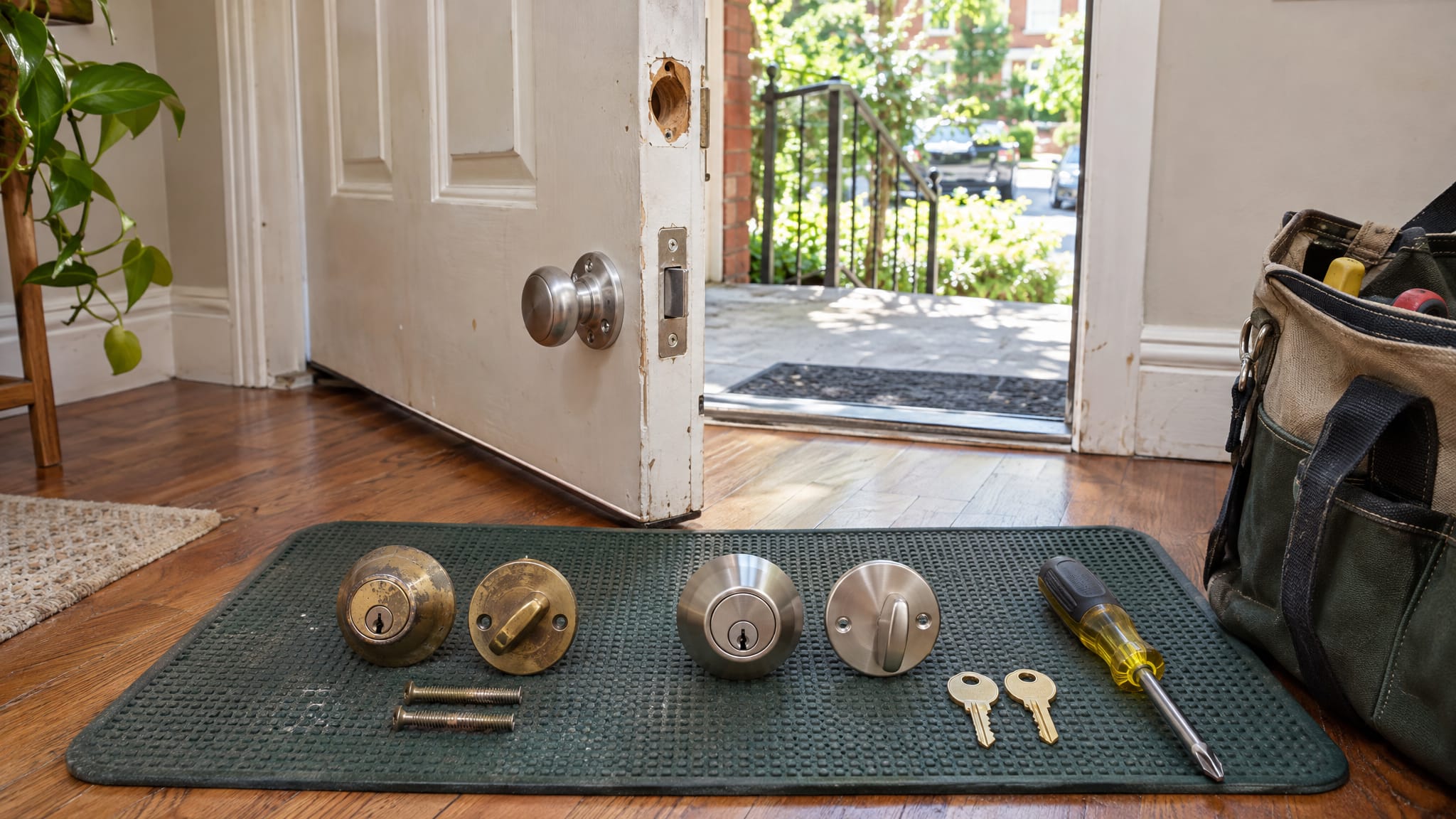
If you are unsure about any step, or if the damage is extensive, do not hesitate to get professional advice. A qualified locksmith can perform a full security inspection and recommend the right forced entry lock replacement for your situation. Services like those offered by lockchangenorthyork.com focus on helping North York property owners secure their doors effectively. Taking action now, rather than patching the problem, gives you peace of mind and a real increase in security.